Training parkour
in Japan.
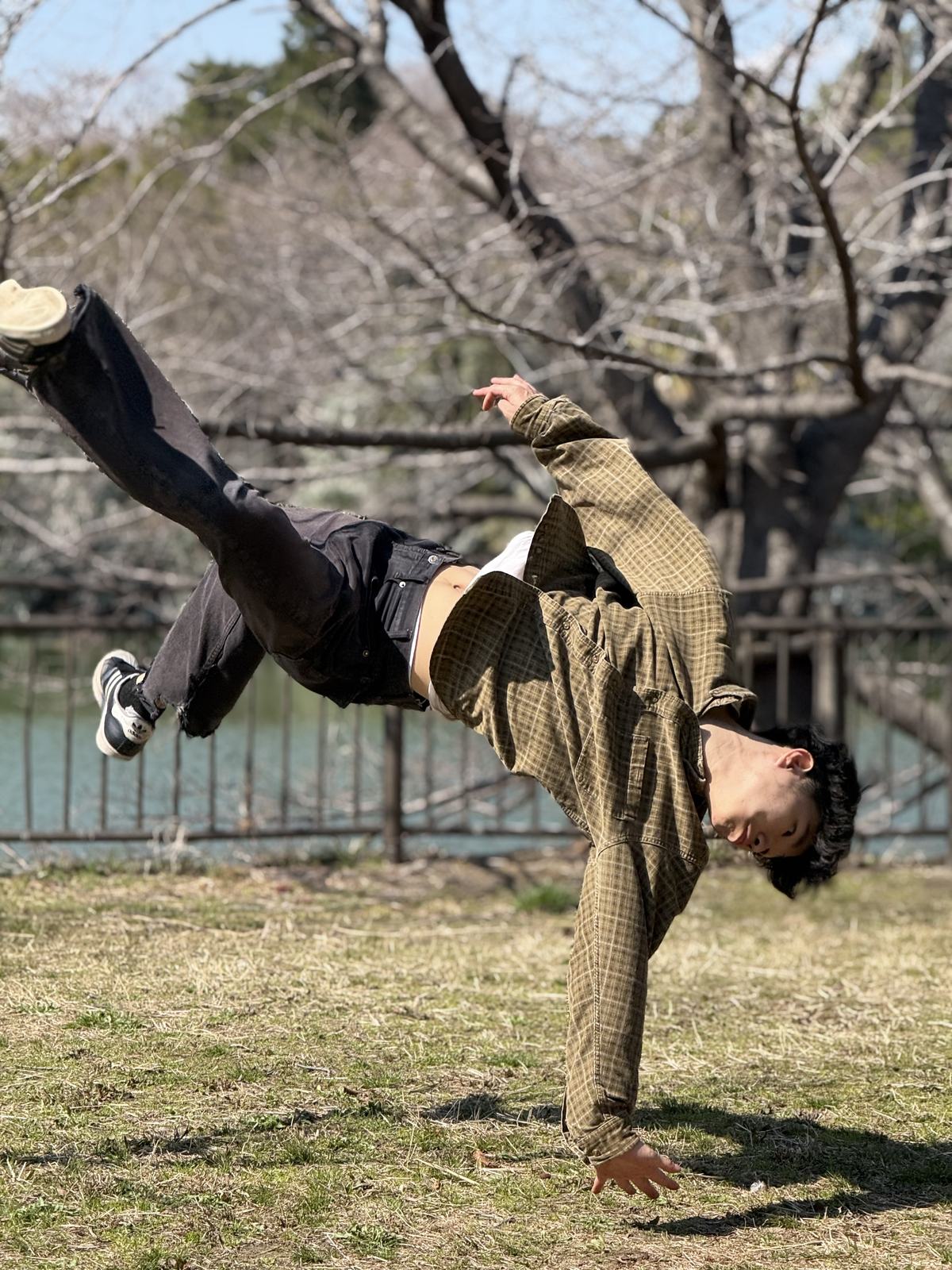
Japan has a serious parkour scene ── national championships since 2019, two FIG World Championships hosted, and a strong community ── but also a well-known shortage of places to train. This page is for visiting traceurs: what the scene looks like, how to behave at spots and gyms, and where you can train indoors in Osaka without a membership.
Big scene,
few facilities.
Japan took to parkour early and competes at the top level. What it has lacked is places to train: in the Japan Parkour Association’s 2017 national survey, the most common problem traceurs reported was having no dedicated facility nearby. That gap is why gyms like ours exist, and why visitors are welcome at open gym.
A short history,
for context.
Sources and dates are kept in our Japanese articles on whether parkour is a sport and the state of competition.
Outdoors: train light,
leave no trace.
Japanese cities are clean, quiet and dense, and public spaces are shared closely with residents. Many Japanese traceurs train outdoors, but access to spots is the scene’s long-standing problem, and a loud group at the wrong spot makes it worse for the locals who train there every week. A few habits that keep spots open:
- If asked to stop, stop. Apologise, move on. Arguing is not done here.
- Keep the noise down and the group small. Especially near housing, schools, shrines and temples.
- No damage, no marks, no litter. Carry your rubbish; public bins are rare.
- Respect closures and signs. Some parks now manage parkour use formally ── Kagota Park in Okazaki introduced a registration system in 2024, for example.
- Ask locals. Japanese traceurs are generally welcoming to visitors who train respectfully. Instagram is where the scene talks.
A base in Kansai,
no membership needed.
PK Guild is an indoor parkour and acrobatics gym in Tsurumi, Osaka, built by hand inside a warehouse: a 14 m × 9 m spring floor, a 5 m × 6 m foam pit and walls up to 5.5 m. Open gym runs Tuesday, Wednesday and Friday nights, 19:00–21:00. You register once at the desk for ¥1,100, pay for your time in cash, and train. Kyoto, Nara and Kobe are all day-trip distance, so Osaka works as a base.
Indoors: a few things
that are normal here.
- Cash. Many small businesses in Japan still prefer cash. We accept cards with a ¥160 fee, but cash is simpler.
- Sign the rules. First-time registration includes a signature on the open-gym rules. Staff will show you where to sign.
- Kids share the floor. PK Guild runs children’s classes and has over 1,000 members across its schools. On open nights you may be training near kids; keep landing zones clear and language clean.
- No coaching, no insurance. Open gym is self-training. Private lessons and a monthly adult class exist, taught in Japanese.
- Check Instagram Stories on the day. Holidays, closures and extra sessions are posted there first.
Common questions.
Is parkour legal in Japan?
Yes. Training in public space is not illegal, but property owners and park managers can and do ask people to stop, and some parks manage parkour use with rules or registration. Follow local requests and signs.
Are there parkour gyms in Japan?
Yes, though far fewer than the scene would like. PK Guild in Osaka offers open gym three nights a week to anyone who registers, with no membership required.
Can I join a class as a visitor?
Classes are taught in Japanese. Adults aged 15 and up can book a 60-minute private lesson or join the monthly adult class; details on the overview page. Open gym needs no Japanese at all.
Do I need to speak Japanese to use open gym?
No. Register at the desk, pay, train. Written messages in simple English on Instagram or by email work for anything else.
while you’re here. Open gym Tue, Wed and Fri 19:00–21:00 in Osaka. Message us before you come.